Pizza and Digestibility: Why Some Pizza Sits Heavy and Others Don’t
You know the feeling. You eat two slices of pizza and suddenly you’re uncomfortable — bloated, heavy, like you swallowed a brick. An hour later you’re still sitting on the couch, regretting everything.
But then other times, you eat the same amount of pizza and feel perfectly fine. Light, satisfied, ready to keep going with your evening. What’s the difference? It’s almost never the toppings. It’s the dough.
The way pizza dough is made — specifically how long it ferments, what flour is used, and how much water is in it — has a massive impact on how your body digests it. And most people have no idea.
What Actually Happens in Your Stomach
When you eat bread or pizza dough, your digestive system needs to break down complex carbohydrates (starches) and proteins (gluten) into simpler components that your body can absorb. This process requires enzymes and takes time.
If the dough hasn’t been properly fermented before baking, your stomach has to do all the heavy lifting. The starches are still complex, the gluten network is still tight, and your body struggles to process it efficiently. The result is that heavy, bloated feeling — your digestive system is working overtime on something that should have been partially broken down before it even reached your plate.
This is why a cheap, fast-made pizza from a chain that uses dough proofed for 2-3 hours feels so different from a pizza at an Italian restaurant where the dough has been fermenting for 24-72 hours.
Fermentation: The Digestibility Game-Changer
During long fermentation, yeast and bacteria slowly break down the complex sugars and starches in the flour. They also partially degrade the gluten proteins, making the entire dough structure simpler for your body to process.
Think of it this way: fermentation is like pre-digestion. The longer the dough ferments, the more work has already been done before you take your first bite.
A dough that’s been fermented for 48-72 hours has significantly less residual sugar, less intact starch, and a more relaxed gluten network compared to a dough that was rushed through in a few hours. Your stomach receives something that’s already halfway broken down, which is why long-fermented pizza feels lighter — because it genuinely is easier to digest.
This isn’t just theory. Research on bread and pizza dough has consistently shown that extended fermentation reduces the glycemic index, decreases the amount of FODMAPs (the compounds that cause bloating in many people), and improves mineral availability by breaking down phytic acid.
The Flour Matters More Than You Think
Not all flour behaves the same way in your gut.
Highly refined, low-quality flour produces dough that’s dense and difficult to digest. The milling process strips away the bran and germ, leaving almost pure starch with very little nutritional value. Your body processes it quickly, causing blood sugar spikes followed by crashes — and that heavy, sluggish feeling.
High-quality Italian tipo 00 flour, on the other hand, is finely milled but retains better baking properties. When combined with long fermentation, it produces a dough that’s light, airy, and remarkably gentle on the stomach.
The choice of flour is one reason why pizza from a proper Italian pizzeria feels different from pizza made with generic supermarket flour. It’s not just about taste — it’s about what your body does with it after you eat.
If you want to understand flour better, our guide on how to read pizza flour labels explains the W value, protein content, and what to look for.
Hydration: Why Wetter Dough Is Lighter
Here’s something counterintuitive: pizza made with more water in the dough is actually lighter and easier to digest.
Higher hydration doughs (65-80% water relative to flour) create more air pockets during fermentation. More air means a more open, airy crumb structure. When you eat a slice, you’re consuming less actual dough per bite — some of what you’re eating is literally air trapped in the gluten network.
Compare this to a low-hydration dough (50-55%), which is denser, heavier, and packs more starch into every mouthful. Same size slice, but significantly more dense material for your stomach to process.
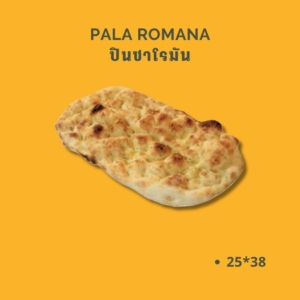
Pinsa romana is a great example of this principle. Traditional pinsa uses very high hydration (over 80%) combined with a mix of wheat, rice, and soy flours, and ferments for at least 48 hours. The result is one of the lightest, most digestible pizza-like products you can eat. People who feel bloated after regular pizza often find that pinsa gives them zero problems.
Why Thai Humidity Makes Things Worse
If you’re making pizza dough in Thailand, you’re fighting an extra battle. The tropical humidity and heat accelerate fermentation unpredictably. Dough that should ferment for 24 hours might over-proof in 12 if your kitchen doesn’t have consistent temperature control.
Over-proofed dough collapses — the yeast has consumed all the available sugars, the gluten structure breaks down too much, and the resulting pizza is flat, dense, and gummy. Under-proofed dough (cut short because the kitchen got too warm too fast) hasn’t had enough time for the beneficial breakdown of starches and gluten.
This is one of the practical reasons why many restaurants in Thailand have switched to pre-made bases that are professionally fermented in controlled environments. The fermentation happens under ideal conditions, and the bases arrive ready to use — no guesswork about whether today’s humidity wrecked the dough.
How to Eat Pizza Without the Bloat
Based on everything above, here are the practical takeaways:
Choose long-fermented pizza. If you’re eating out, ask about the fermentation time. Any pizzeria proud of their dough will happily tell you. If they don’t know or say “a few hours,” your stomach might pay the price.
Look for quality flour. Italian tipo 00, or at minimum a well-known pizza flour brand. Our guide to choosing pizza flour covers the best options available in Thailand.
Prefer higher hydration. Lighter, airier crusts with visible air pockets are a good visual indicator. Dense, bread-like crusts without much internal structure tend to be harder to digest.
Don’t overeat. This sounds obvious, but the lighter and tastier the pizza, the easier it is to eat five slices. Even the most digestible dough has limits. Two to three slices is a sensible portion for most people.
Try pinsa. If regular pizza consistently gives you trouble, pinsa romana might be the answer. The combination of multi-grain flour, extreme hydration, and long fermentation makes it one of the most gut-friendly options available. We deliver pinsa bases across Thailand — just top and bake.
It’s the Dough, Not the Diet
The next time someone tells you pizza is “bad for your stomach,” remember: it’s not pizza that’s the problem. It’s badly made pizza. Dough that’s rushed, under-fermented, made with cheap flour, and baked in a hurry will sit heavy in your gut every time.
Good pizza — made with quality flour, proper long fermentation, and adequate hydration — is one of the most satisfying and digestible meals you can eat. Italians have been proving this for generations.
All our bases at Pizza Base Thailand go through a minimum 48-hour fermentation process. Because we believe life is too short for heavy pizza.
Internal Links:
- /long-fermentation-pizza-why-it-matters
- /pinsa-romana-what-is-it
- /shop/pinsa-romana/
- /read-pizza-flour-label-guide
- /eat-pizza-without-getting-fat
- /pre-made-pizza-bases-restaurants-chefs/
Links to tindoro.com blog (where relevant in text):
- https://tindoro.com/sourdough-and-long-fermentation-the-secret-to-our-premium-neapolitan-pizza-bases/ (link in the fermentation section: “Tindoro Prime explains the science behind their 72-hour fermentation process”)
- https://tindoro.com/italian-wheat-for-pizza-in-thailand-tindoro-prime-bakery/ (link in the flour section: “The quality of Italian wheat makes a real difference”)
- https://tindoro.com/pinsa-pala-romana-the-versatile-and-healthy-pizza-base-in-thailand-by-tindoro-prime/ (link in the pinsa section as a healthier option)
- https://tindoro.com/reliable-pinsa-romana-base-supplier-thailand-horeca/ (link for B2B readers interested in pinsa supply)
- https://tindoro.com/basi-pizza-artigianali-thailandia-tindoro-prime-zero-compromessi/ (link when discussing artisanal vs industrial bases)